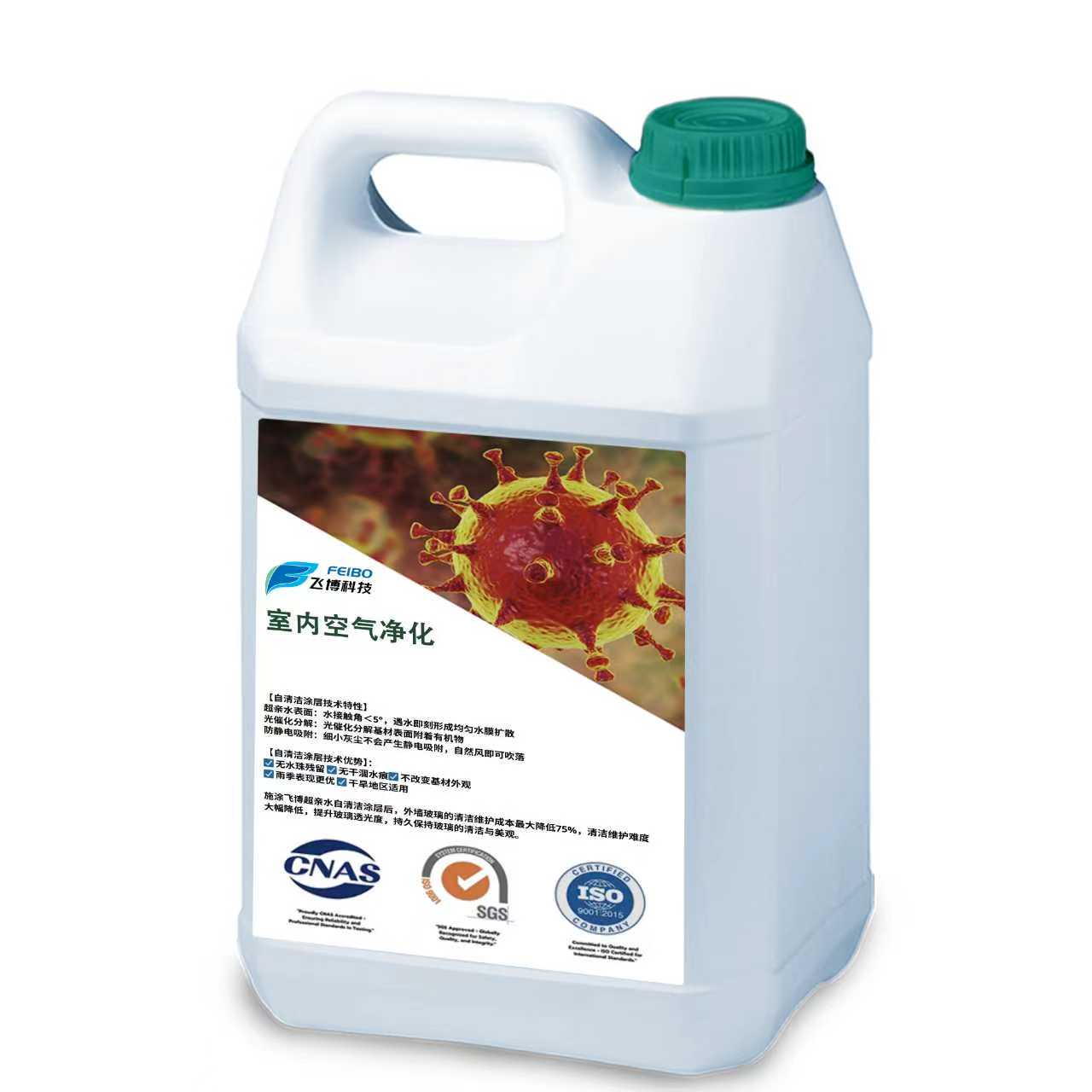
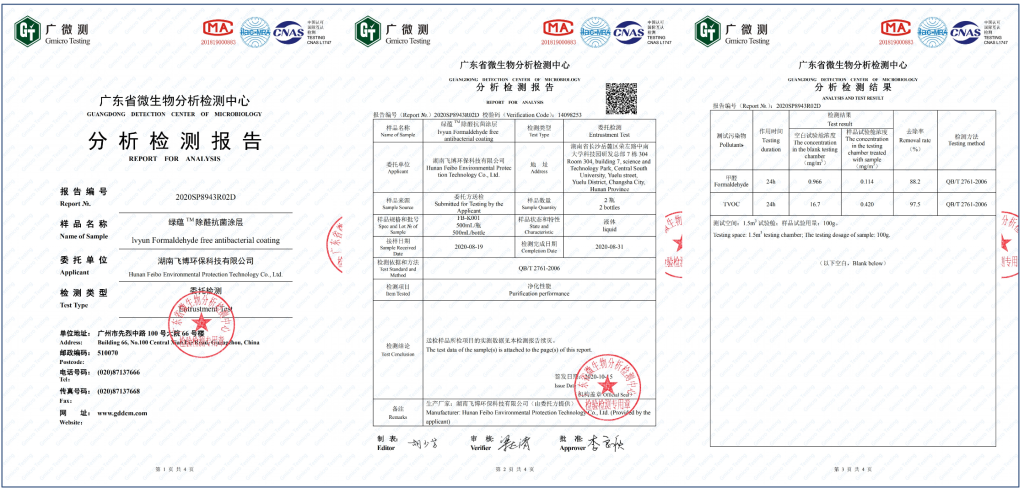
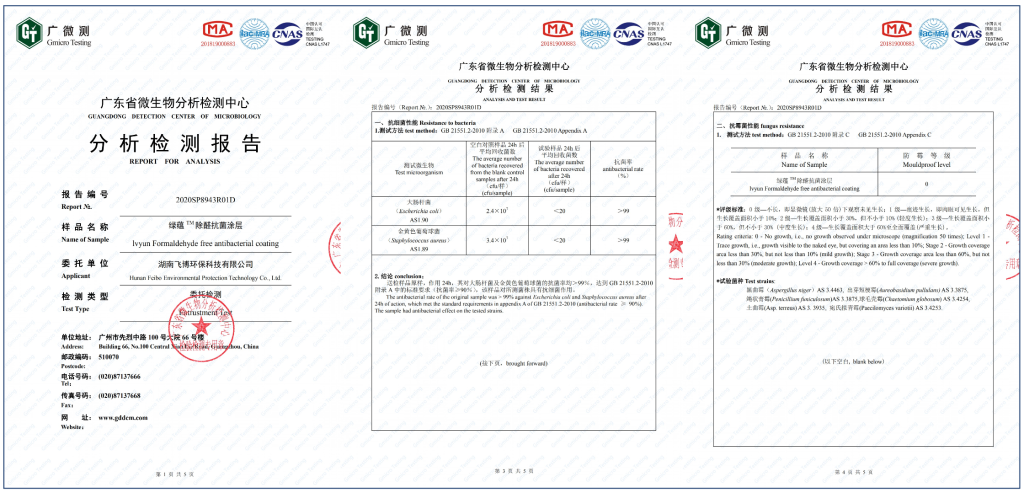
Feibo’s formaldehyde-removing antibacterial nano solution uses advanced Japanese photocatalyst technology, combining nano titanium dioxide, apatite and nano silver. Working under visible light and in the dark, it breaks down toxic gases such as formaldehyde and TVOC and delivers strong antibacterial performance. Certified testing shows a removal rate of up to 95% and an antibacterial rate of 99%. Widely used in commercial spaces, healthcare facilities and premium homes.
Japanese high-crystallinity titanium dioxide: high catalytic efficiency and strong stability
Photocatalyst particle size 5–10 nm anatase structure, well dispersed, no agglomeration
Absorption spectrum extended to 600 nm (UV to visible light) — still breaks down pollutants in low light
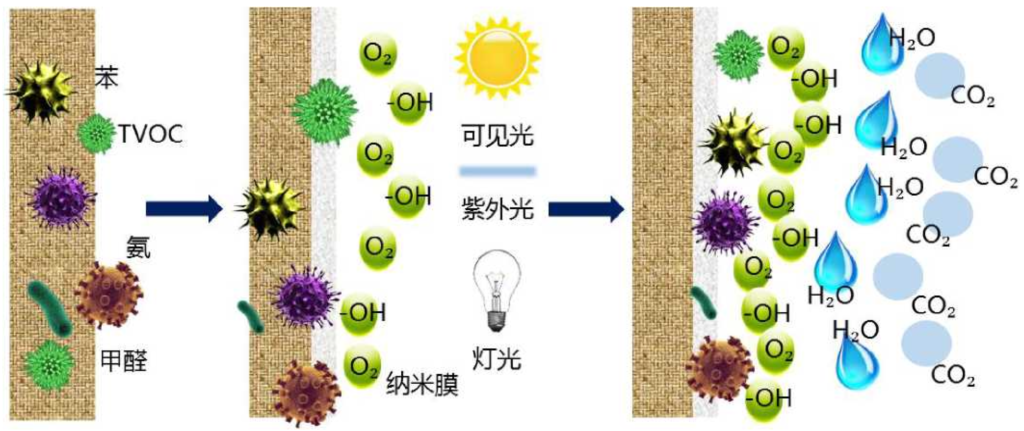
Effectively degrades formaldehyde, ammonia, benzene, TVOC and other harmful gases and odours
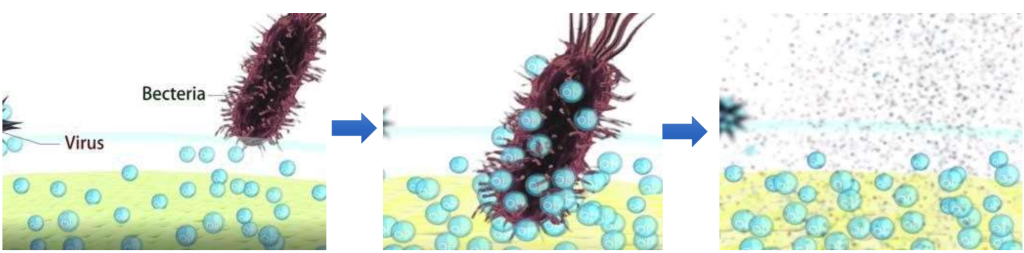
Long-lasting antibacterial action, 99% antibacterial rate
Breaks down formaldehyde, antibacterial and deodorising, air purification, healthier indoor environment
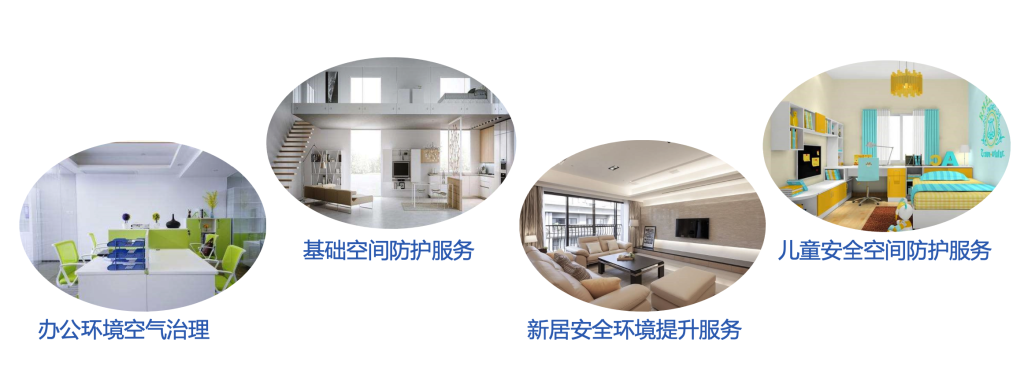
Hospitals, offices, schools, hotels, premium homes and public venues that need cleaner air
Nano titanium dioxide, apatite, nano silver, composite additives

Once sprayed, the new-generation composite nano solution forms a nano film on the surface. Under light the film undergoes a photocatalytic reaction, continuously breaking down formaldehyde and other harmful gases and generating highly oxidising free oxygen radicals and active oxygen that convert organic pollutants into harmless water and carbon dioxide.
We follow a standardised indoor air treatment process so every project reaches its purification target efficiently, reliably and safely. A typical process:
Our technical team surveys the site, confirms feasibility, assesses environmental factors and defines the comparison test areas.
Pollution sources such as exposed boards and cabinet joints are treated with a polymer formaldehyde-removing enzyme, sprayed in several passes where needed for full penetration and complete breakdown of formaldehyde and odours.
Ceilings, walls, furniture and other large surfaces are sprayed with nano photocatalyst to raise overall purification performance — non-source surfaces are covered too, building a complete purifying environment.
After application the room is kept closed for 8–12 hours so the treatment reacts fully with the pollution sources; ventilate after 12 hours and use the room normally after 24 hours.
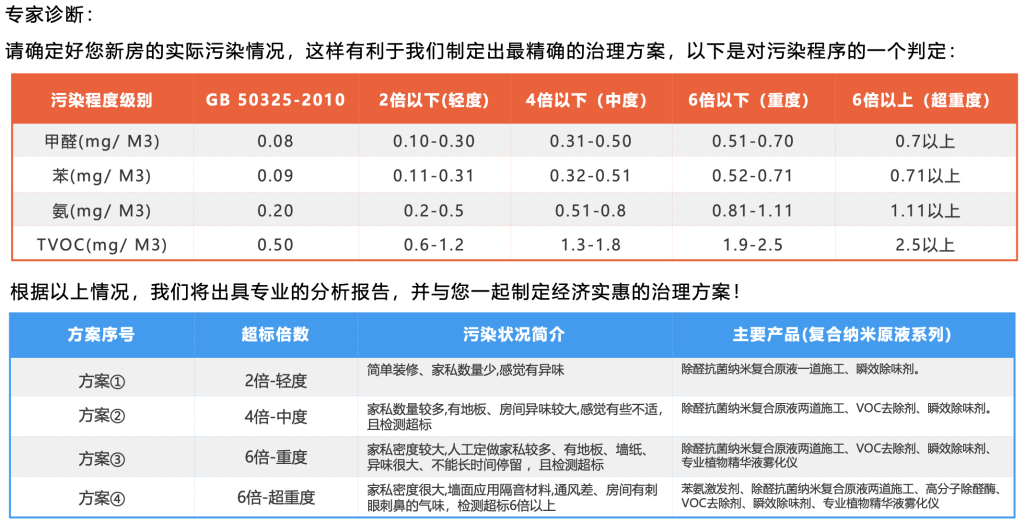
Key areas are tested after treatment to confirm every pollution point has been handled. A re-test within 7 days confirms compliance with national standard GB50325-2010 in a single treatment.
After application, keep doors, windows and air equipment closed and the room sealed for 8–12 hours so the product reacts fully. Leave space around furniture; heavily polluted areas may need repeat treatment.
Feibo nano air-purifying coating: no consumables, a lower maintenance frequency, measurably better indoor air.
Our solution is widely used in hospitals, office buildings and premium homes — get in touch.